

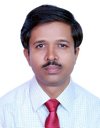
Academic Background & Research Profile
Dr. Radheshyam H. Gajghat completed his Bachelor of Engineering (B.E.) in Production Engineering and Diploma in Business Management (DBM) from Nagpur University, Nagpur. He obtained his Master of Technology (M.Tech) in Production Engineering from Motilal Nehru National Institute of Technology (MNNIT Allahabad, Deemed University), Prayagraj, and was awarded his Ph.D. degree from Rashtrasant Tukadoji Maharaj Nagpur University, Nagpur.
Presently, he serves as an Associate Professor and Dean of Research in the Department of Automation & Robotics Engineering at Sandip Institute of Technology and Research Centre, Nashik. He brings over 30 years of extensive experience spanning academic teaching, industrial practice, engineering research, and institutional administration. His research domains center on Engineering Education, Conventional & Advanced Manufacturing Processes, Computer Integrated Manufacturing (CIM), Human Factors Engineering, and Composite Materials.
Dr. Gajghat has authored more than 25 peer-reviewed research papers across international and national journals and indexed conference proceedings. He possesses specialized expertise in the design of comprehensive academic monitoring systems and student-centric innovative teaching-learning methodologies.
Research Innovations & Software Development
Based on his doctoral and ongoing research investigations, Dr. Gajghat developed an online software framework named ESPT (Engineering Students Performance Test). This diagnostic platform assists engineering students in predicting their probability of academic success in university examinations by assessing performance gaps between their current status and benchmark targets relative to critical influencing factors. The tool is designed to enhance foundational technical competencies, optimize learning outcomes, and boost graduate employability.